

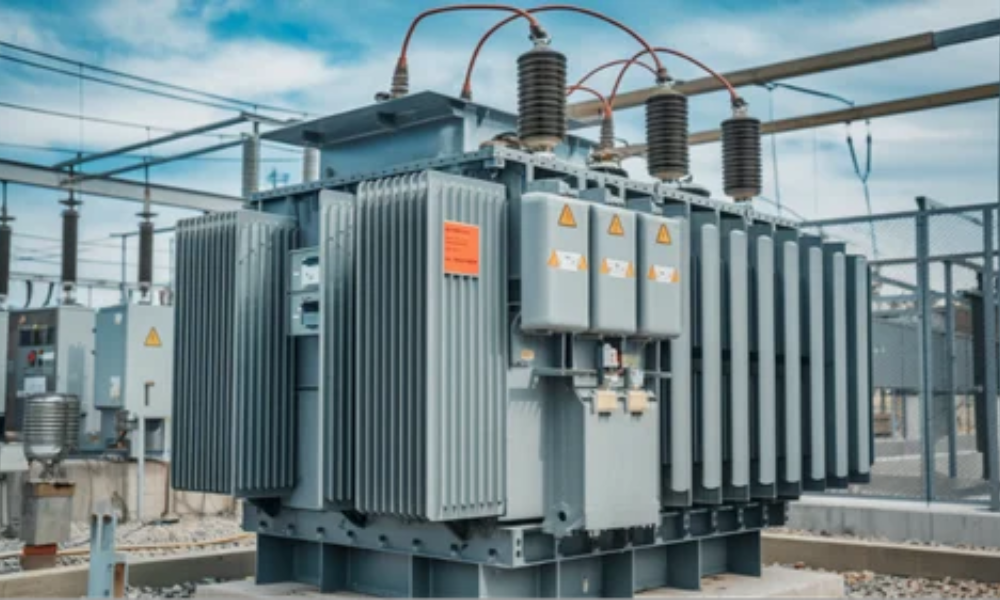
Australia’s energy system is undergoing a major transformation as renewable generation becomes an increasingly important part of the electricity mix. Wind farms, large-scale solar projects, batteries and new transmission infrastructure are changing how electricity is generated, moved and delivered across the country. In this transition, power transformers may not receive as much attention as solar panels or wind turbines, but they are essential to moving renewable electricity safely and efficiently through the grid.
Recent developments underline the scale of this transition. According to the Clean Energy Council, renewable energy supplied 42.7% of Australia’s electricity during the full year to December 2025, while 5.9 GW of new large-scale wind and solar capacity was commissioned during the year. At the same time, the Australian Energy Market Operator’s latest Integrated System Plan continues to identify renewable generation connected through transmission and distribution, supported by storage, as a key pathway for maintaining a secure electricity supply as coal-fired generation retires.
Why Are Power Transformers Important to Renewable Energy Projects?
Electricity generated by a renewable energy project does not necessarily have the voltage required for long-distance transmission or local distribution. Power transformers provide the crucial voltage transformation needed between different parts of the electricity network.
At a renewable generation site, transformers can step up the voltage so electricity can be transferred efficiently into the transmission network. Higher transmission voltages help reduce losses when electricity travels over long distances. At other points in the network, transformers step voltage down to levels suitable for distribution and end users.
This becomes particularly important in Australia because many large renewable resources are located away from major population and industrial centres. Solar and wind projects can therefore depend on substantial electrical infrastructure to connect generation with the wider National Electricity Market. Transformers form an important part of that connection infrastructure.
How Does Renewable Generation Change Transformer Requirements?
Renewable projects can create different technical requirements compared with conventional generation. Solar and wind generation commonly uses power electronic equipment to convert and control electricity before it enters the grid. Battery energy storage systems also rely on power conversion systems when charging and discharging electricity.
This means transformer selection cannot simply focus on voltage and capacity. Project developers and electrical engineers also need to consider factors such as load behaviour, harmonic performance, cooling requirements, insulation systems, fault conditions, environmental conditions and the characteristics of the connection point.
Grid expansion also means that transformers must be designed for dependable operation over a long service life. Equipment installed at a major renewable project may become an important part of the network for decades, making engineering quality, testing and lifecycle reliability important considerations when selecting a supplier.
What Role Will Transformers Play as Australia Builds More Transmission Capacity?
Australia’s renewable transition is not only about constructing more generation. New and upgraded transmission infrastructure is required to connect generation, storage and demand across the electricity system.
AEMO’s current Integrated System Plan provides a long-term roadmap for generation, storage and network investment through to 2050. Its latest plan reinforces the importance of transmission and distribution infrastructure in connecting renewable energy to consumers.
For the transformer industry, this creates continuing demand for equipment capable of operating at high voltages and handling substantial power flows. Transmission projects may require large power transformers at substations and connection points, while renewable facilities can require dedicated transformer solutions between generation equipment and the grid.
The challenge is not simply adding equipment. Transformers need to be appropriately specified for each project, manufactured to required standards, thoroughly tested and supported throughout their operating life.
Why Is Transformer Reliability Especially Important in Australia?
Australia presents a diverse operating environment. Renewable and transmission assets can be located across remote and regional areas, where environmental conditions, logistics and access can create additional challenges for infrastructure projects.
A transformer failure at a critical substation or renewable connection point can have consequences beyond the individual piece of equipment. Repairs or replacement of large transformers can involve significant transportation, engineering and installation work, potentially affecting project availability.
For this reason, quality control and testing are important parts of transformer manufacturing. TARIL states that its power transformers undergo type, routine and dynamic short-circuit testing before shipment, with designs developed using advanced engineering and simulation tools. Its Australian-facing operations also highlight support services including diagnostics, oil testing, refurbishment and on-site assistance.
How Can Indian Transformer Manufacturers Support Australia’s Renewable Expansion?
As Australia invests in renewable generation and grid infrastructure, international manufacturing capabilities can contribute to the supply chain. Indian transformer manufacturers with experience in high-voltage equipment can support projects when their products, engineering processes and quality systems meet the requirements of the Australian market.
TARIL is an established Indian manufacturer with a product portfolio covering power transformers, reactors, rectifier transformers, distribution transformers and specialised transformer solutions. Its website states that its power transformer range extends up to 1200 kV and 1000 MVA. These figures describe the company’s overall product capability and should not be interpreted as the specification of any particular Australian project.
TARIL also reports more than 18,000 transformers installed worldwide and a presence across more than 40 countries. Its Australian operations specifically position the company as a supplier for power, renewable energy, mining and industrial applications.
For Australian buyers, however, capacity alone is not enough. A suitable supplier needs to understand project-specific electrical requirements, applicable standards, transportation considerations, commissioning and after-sales support. TARIL states that it designs transformers in accordance with IEC and ANSI standards while aligning its solutions with Australian requirements.
What Should Australian Renewable Projects Consider When Selecting a Transformer Supplier?
The right transformer should be selected according to the complete electrical and operating requirements of the project rather than simply choosing the highest available rating. Voltage level, MVA requirement, cooling arrangement, insulation system, site conditions, fault levels, connection requirements and expected operating profile can all influence the final specification.
Manufacturing capability is another important consideration. TARIL’s facilities page describes in-house activities including coil winding, tank fabrication, assembly and testing, with its facilities supporting high-voltage transformer manufacturing.
For large renewable and transmission projects, communication between the manufacturer, EPC contractor, network operator and project owner is equally important. Clear technical documentation, factory testing, inspection procedures, delivery planning and commissioning support can help reduce avoidable problems later in the project lifecycle.
Frequently Asked Questions
What is the main function of a power transformer in a renewable energy project?
A power transformer changes electricity from one voltage level to another so that power can be connected to transmission or distribution networks efficiently and safely. At renewable generation sites, transformers commonly step up the voltage before electricity enters the wider grid.
Why are transformers important for Australia’s renewable energy transition?
As more wind, solar and battery projects connect to the electricity system, additional grid infrastructure is required to move electricity between generation, storage and consumers. Transformers are essential components at many of these connection and transmission points.
Can Indian transformer manufacturers supply the Australian market?
Yes, manufacturers with suitable technical capabilities, quality systems, international experience and an understanding of Australian project requirements can supply the market. The specific suitability of a transformer must always be assessed against the electrical, regulatory and project requirements.
What types of transformers are relevant to renewable energy projects?
Depending on the project, requirements can include power transformers, distribution transformers, specialised transformer solutions and reactors. The appropriate equipment depends on the generation technology, grid connection, voltage level and wider electrical design.
What should Australian businesses look for in a transformer supplier?
Businesses should consider engineering capability, manufacturing capacity, testing procedures, applicable standards, reliability, delivery capability and technical support after installation. Long-term service and communication can be just as important as the initial equipment specification.
Australia’s renewable energy expansion will require more than new generation assets. Transmission networks, substations, storage facilities and grid connections must develop alongside them. Power transformers sit at the centre of many of these electrical pathways, helping renewable electricity move from where it is generated to where it is needed. As Australia continues strengthening its energy system, experienced transformer manufacturers with high-voltage capabilities and international project experience can play an important role in supporting a more connected and reliable renewable grid.