

Key Takeaways
- A site survey ensures your roof’s structure and orientation can support a system that maximises energy harvest throughout the year.
- Your chosen provider manages the complex paperwork and safety approvals required by the Building and Construction Authority and SP Group.
- Modern installations include digital platforms that allow you to track daily energy production and monitor your system’s overall efficiency.
Introduction
Switching to renewable energy is one of the most impactful decisions a homeowner or business owner can make. With the tropical climate, the transition to solar power is a practical step toward sustainability and long-term cost savings. However, many people feel hesitant because they aren’t quite sure what the actual process involves. Individuals can prepare their property for a greener future when they understand how solar panel installation in Singapore works.
The Initial Consultation and Site Assessment
The journey begins long before a single panel touches your roof. Once you reach out to a reputable solar company in Singapore, they will schedule a comprehensive site assessment. During this visit, engineers evaluate your roof’s structural integrity, orientation, and any potential shading from neighbouring buildings or trees. They use specialised tools to calculate the solar harvest your specific location can generate, ensuring that the system design maximises every square metre of available space while complying with local building codes.
Following the physical assessment, the team will present a bespoke proposal. This document outlines the technical specifications, the number of panels required, and the projected energy yield. A transparent provider like LHN Energy focuses on these analytical details to ensure clients understand their return on investment. Take advantage of this time to ask questions about equipment warranties and how the system integrates with your existing electrical board. Clear communication at this stage prevents surprises during the physical installation phase and ensures the design meets your energy consumption needs.
Navigating Permits and Paperwork
Singapore has a robust regulatory framework to ensure the safety and efficiency of grid-tied systems. Your chosen provider handles most of the heavy lifting with bureaucracy. They must submit designs to the Building and Construction Authority (BCA) and coordinate with SP Group for the necessary grid connection agreements. This phase requires patience, as official approvals can take several weeks. Professionals ensure that all components meet the Fire Safety Bureau’s standards, which is a critical requirement for any solar panel installation in Singapore.
While the authorities review the technical drawings, the project managers procure the hardware. They source high-efficiency photovoltaic cells, mounting structures, and inverters that can withstand Singapore’s high humidity and intense heat. You will likely receive a project timeline during this period, detailing when the scaffolding will arrive and when the technicians will begin work. By letting a professional solar company in Singapore manage these administrative hurdles, you can focus on the environmental benefits of your new system without getting bogged down in legislative minutiae.
The Installation Process and Component Checklist
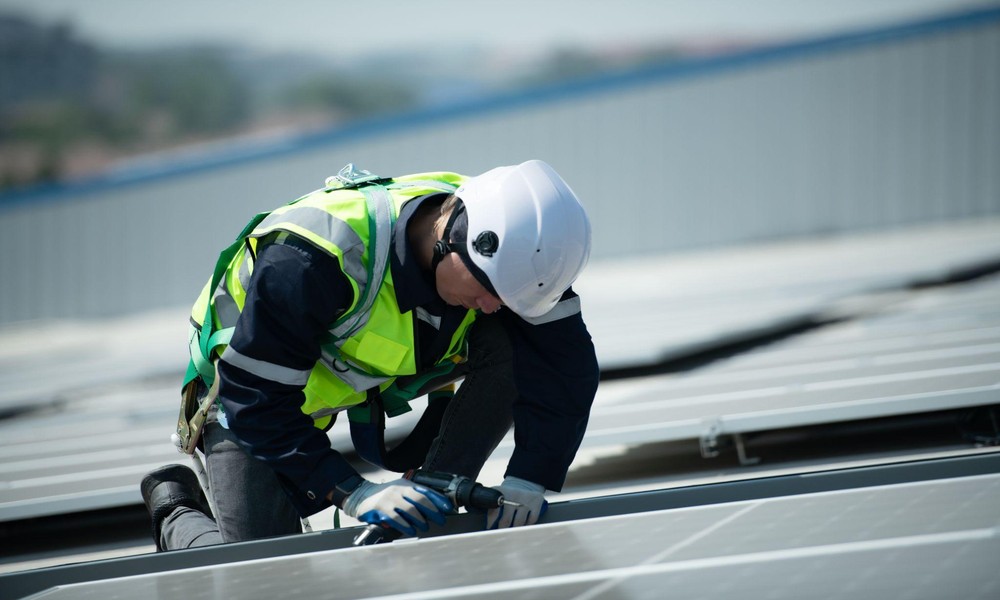
When the installation day finally arrives, the site becomes a hub of coordinated activity. The crew begins by installing the mounting system, which acts as the skeletal structure for the panels. They must ensure these rails are perfectly level and securely anchored to prevent leaks or wind damage. Once the framework is set, the team carefully hauls the panels onto the roof and secures them. The mechanical phase is often the loudest part of the process, but a professional solar company in Singapore will work efficiently to minimise disruption to your daily routine.
The electrical phase follows the mechanical mounting. Electricians run conduits and wiring from the roof down to the inverter, which converts the DC electricity from the sun into usable AC power for your home. There are 5 key components involved in this stage that include:
- Photovoltaic (PV) Panels – The core units that capture sunlight.
- Solar Inverter – The brain of the system that manages power conversion.
- Mounting Rails – Corrosion-resistant frames that hold panels in place.
- DC/AC Isolators – Safety switches that allow for manual system shutdown.
- Generation Meter – A device that tracks exactly how much clean energy you produce.
Testing, Commissioning, and Handover
Before the system goes live, it must undergo rigorous testing to ensure everything operates safely. A Licensed Electrical Worker (LEW) inspects the entire setup, checking for earthing issues and ensuring the system shuts down correctly during a grid failure. Once the LEW clears the system, the team performs the final commissioning, and you can officially flip the switch to start generating your own power.
The final step is the handover, where the technicians walk you through the system’s operation. Most modern setups include a digital monitoring platform that you can access via a smartphone app. This software allows you to track real-time energy production and see the immediate impact on your carbon footprint. Providers like LHN Energy pride themselves on educating clients during this phase, ensuring you know how to maintain the panels to keep them performing at peak efficiency for decades.
Conclusion
A solar panel installation in Singapore is a streamlined, professional process that transforms your unused roof space into a mini power plant. By choosing the right solar company in Singapore, you navigate the technical and regulatory landscape with ease. From the first site visit to the moment your meter starts spinning backwards, each step contributes to a more sustainable Singapore. Embracing solar technology is a smart, long-term investment in the planet and your financial future.
For professional advice on solar panel installations in Singapore, contact LHN Energy today.