

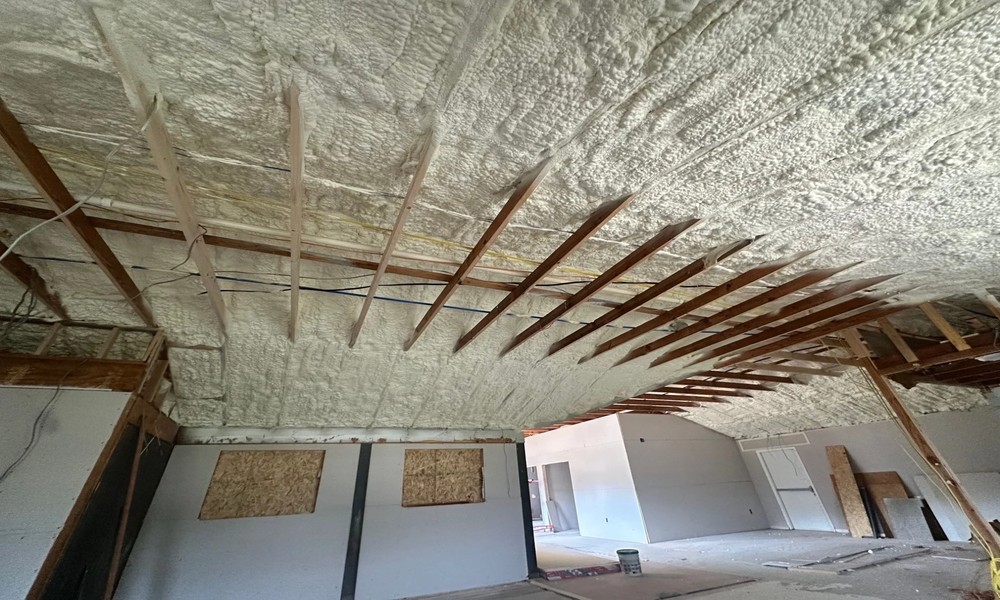
Buildings today need reliable sealing methods to limit unwanted air flow and control damp entry. Foams play a useful role by filling narrow gaps that standard fillers cannot reach. Their growth after application allows tight closure across uneven surfaces.
This helps maintain indoor stability while lowering strain on structural layers. With proper use, sealing solutions support longer durability and better insulation outcomes across different building parts using expanding foams.
Effective Gap Filling Ability
Small openings often weaken structural efficiency and allow unwanted airflow. Materials that expand after placement reach into tight spaces and seal them properly. This process reduces leakage across joints and hidden cavities within walls. It also improves the strength of areas that usually remain exposed to minor cracks.
Improved Indoor Air Control
Controlling air movement helps maintain stable interior conditions throughout different seasons. Sealing materials limit unwanted drafts and reduce energy loss from enclosed spaces. This creates a more balanced indoor setting that supports comfort and efficiency. It also prevents pressure changes that may affect structural stability over time.
Moisture Barrier Strengthening
Water entry through small openings can damage surfaces and reduce durability. Sealing layers act as a protective barrier that blocks damp movement within structures. This protection supports dry conditions inside walls and ceilings. Correct sealing also decreases the risk of lasting surface weakening caused by humidity buildup.
Structural Stability Enhancement
Strong sealing support helps maintain the integrity of joints and connections. Materials that expand into gaps provide reinforcement across weak points. This improves the overall strength of surfaces that may shift over time. Using expanding foams in this process ensures better bonding and long-lasting support.
• Strong bonding improves the connection between surfaces during structural movement
• Gap closure reduces pressure changes within enclosed building sections
• Reinforcement supports durability across different construction materials over time
• Stable joints reduce the chances of surface separation in changing conditions
• Balanced sealing helps maintain alignment across connected structural elements
Long-Term Material Performance
Durable sealing solutions help maintain building strength over extended periods. They resist breakdown caused by environmental exposure and internal pressure changes. Proper application ensures consistent performance across different structural conditions. This supports reduced maintenance needs and improves overall building lifespan.
Practical Maintenance Advantages
Sealing solutions reduce the need for frequent repair work in vulnerable areas. They provide lasting protection against common issues caused by air and moisture movement. This leads to lower upkeep efforts and better long-term reliability. Consistent sealing also helps preserve internal surfaces and structural quality.
Simple Sealing Benefits
• Sealing solutions reduce repair needs across multiple structural surfaces over time
• Long-lasting protection supports stability across internal and external building areas
• Reduced maintenance effort saves time and resources for property upkeep
• Consistent performance improves the reliability of sealed joints in various conditions
• Better protection helps maintain surface strength and internal structural balance
The overall value of sealing solutions lies in their ability to improve strength while limiting unwanted airflow and damp entry. By addressing small openings effectively, structures gain better durability and stable internal conditions. This approach supports efficient energy use and decreases maintenance effort over time. Careful choice and proper application guarantee reliable results that protect buildings from common structural tasks.
FAQs
What makes expanding materials effective for sealing small structural gaps properly?
They grow after placement, filling spaces tightly and reducing unwanted air movement.
Can these sealing solutions help reduce moisture entry inside building surfaces?
Yes, they block water pathways and support dry internal structural conditions.
Do sealing materials improve overall energy use within enclosed building areas?
They limit airflow leakage, which helps maintain steady indoor temperature levels.