

Key Takeaways:
- Your gear is your primary lifeline in unpredictable environments. Whether you are using personal kit or rental equipment, perform a meticulous check of every component before every outing to ensure mechanical reliability.
- Safety regulations vary across borders. It is essential to research the certifications of tour operators and consult with local guides to understand specific environmental hazards, such as shifting maritime currents or changing snowpack stability.
- Personal physical readiness is as vital as your equipment. Ensuring that your protection plan accounts for your specific medical history allows you to receive proper care without administrative delays, should an unexpected health issue arise during your trip.
- Traditional plans often exclude high-stakes pursuits. Selecting a policy that automatically covers physically demanding activities ensures that you have the necessary financial and logistical support for emergency rescues or medical treatments, allowing you to focus on the experience.
Introduction
The world offers an endless playground for adventure seekers. From the crystal-clear depths of the South China Sea to the powdery slopes of Northern Japan, many embrace a lifestyle defined by the pursuit of heart-pounding moments. Whether you are preparing for a technical deep-sea dive in Tioman or carving through the backcountry of Hokkaido, the line between a successful expedition and a dangerous situation can often be drawn in mere seconds of preparation.
To fully enjoy these experiences, a disciplined approach to risk management is essential. Safety is not about avoiding the activity itself, but about meticulously managing every variable within your control. This guide outlines the practical checks you should perform before your next trip, ensuring your financial protection is as robust as your equipment.
The Equipment Audit: Your Primary Defence
In high-risk sports, your gear is your lifeline. Whether you own your equipment or are renting it at your destination, a thorough inspection is the first step in any safety protocol.
Scuba Diving in Tioman
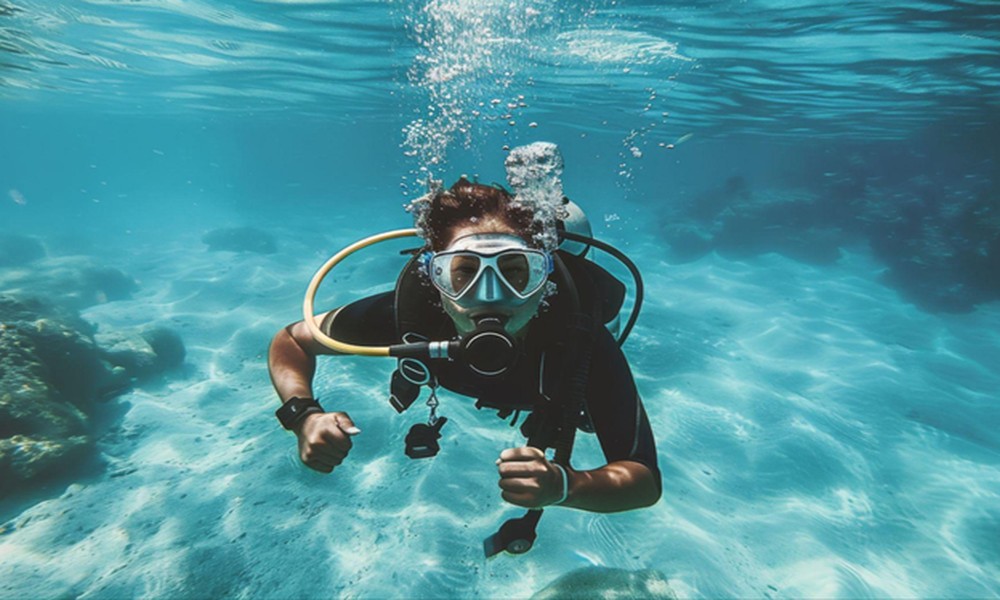
When diving in the waters around Tioman, your life support system must be flawless. Before your first boat ride, check your regulator for any signs of wear on the hoses or salt buildup. Ensure your Buoyancy Control Device (BCD) holds air and that the valves operate without sticking.
The ‘buddy check’ remains a vital step. Confirming that your air is fully turned on and that your weights are clear could prevent a minor issue from becoming a serious emergency. If you are renting gear, do not feel pressured to accept the first set offered if it looks poorly maintained. A reputable dive centre will always respect a diver who prioritises safety.
Skiing and Snowboarding in Hokkaido
The powder in Hokkaido is world-famous, but the extreme cold and terrain require specific precautions. Beyond checking the edges of your skis or board, pay close attention to your bindings. They should be set to the correct tension for your weight and ability to ensure they release properly during a fall.
For those heading off-piste, safety electronics are essential. Check your avalanche beacon every morning to ensure the batteries are full and it is functioning in both send and receive modes. Cold temperatures can drain batteries quickly, so starting with a fresh charge is a basic requirement for mountain safety.
Researching Local Safety Standards
Safety standards can vary significantly from one country to another. Part of your preparation involves vetting the operators and understanding the local environment.
Vetting the Professionals
Before booking a paragliding flight or a white-water rafting trip, look into the operator’s reputation. Are their instructors certified by recognised international bodies? Do they have a clear emergency evacuation plan? Reading recent reviews from other travellers can provide insight into whether a company prioritises safety or merely aims to process as many clients as possible.
Environmental Awareness
Understanding the local terrain is just as important as checking your gear. In Hokkaido, this means checking daily avalanche bulletins and being aware of weather shifts that can reduce visibility to zero. In Tioman, it means knowing the tide schedules and being aware of local currents. If the conditions do not feel right, the safest decision is to postpone the activity.
The Role of Comprehensive Travel Insurance
Once you have managed the physical risks, the next step is managing the financial ones. Unexpected accidents can happen regardless of how much preparation you do. This is why choosing the right travel insurance option in Singapore is a fundamental part of trip planning.
Historically, finding coverage for adventurous activities was a complex process, with many standard policies excluding anything deemed high-risk. However, modern insurance has become more accessible for thrill-seekers.
Income Insurance: Built for Adventure
Income Insurance’s Travel Insurance is well-suited for those who enjoy pushing their limits. Their coverage is designed to be straightforward, removing much of the administrative burden usually associated with sports coverage.
With their plan, you can enjoy coverage for adventurous activities such as skiing, bungee jumping, skydiving, and many others. Instead of worrying about whether your specific hobby is included, you can focus on the trip itself. This automatic inclusion provides peace of mind, knowing that if an accident does occur, the costs of medical treatment or emergency assistance are covered.
Coverage for Pre-existing Conditions
It is also worth noting that your physical health plays a major role in your safety. If you have a known medical history, it is important to look for travel insurance for pre-existing medical conditions. This ensures that you are protected not just for accidents related to your sport, but also for any complications arising from your existing health status while you are abroad. Being transparent about your health and securing the right policy means you are fully protected, regardless of the situation.
A Continuous Safety Mindset
Safety is not a one-time checklist but a continuous process that lasts for the duration of your trip.
- Communication: Always let someone know your plans. Whether it is the staff at your hotel or a friend back home, someone should know where you are going and when you expect to return.
- Emergency Contacts: Keep your insurance provider’s emergency hotline saved in your phone and written down in your gear bag. In the event of an accident, quick communication can make a significant difference in how fast you receive help.
- Local Knowledge: Speak to local guides or instructors about current conditions. They often have insights that are not available in weather apps or guidebooks.
Conclusion: Adventure with Confidence
The pursuit of adventure is one of the most rewarding ways to see the world. By taking the time to perform equipment checks, vetting your operators, and securing a robust insurance policy, you can enjoy the thrill of the experience without unnecessary worry.
Preparation is what allows you to be present in the moment. When you know your gear is solid and your insurance is in place, you are free to focus on the descent, the dive, or the jump.
If you are currently planning your next expedition and want to ensure you have the right protection for your lifestyle, support is readily available. We encourage you to speak to an Income Insurance advisor who can guide you through the best options for your specific travel needs and help you adventure with confidence.