

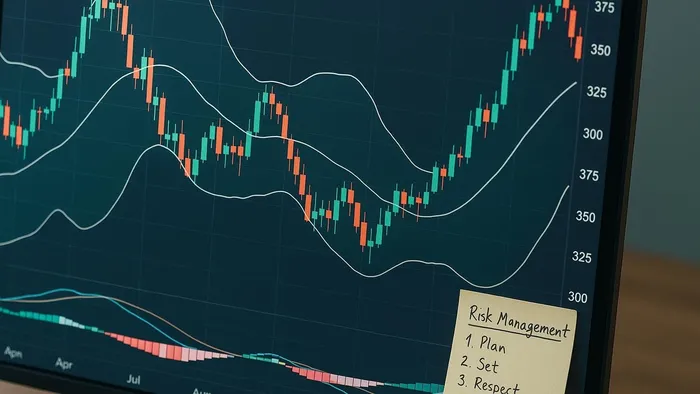
Market prices often move away from fair value, then slowly return after pressure fades. This behavior attracts traders seeking steady chances using clear rules. Many focus on patterns built from price history, volume shifts, and trader emotion. When applied with patience, this method supports the best day trading strategies for people who value logic over noise. Success depends on discipline, timing, and careful selection of tools that fit personal goals while keeping actions simple and controlled.
Price Behavior Basics
Price behavior shows repeated movement around an average level over time. When values stretch too far, buyers or sellers react. This reaction pulls the price back toward balance. Understanding this idea helps traders avoid chasing moves while planning entries near extremes. It builds calm decision habits through measured steps.
Market Conditions Awareness
Certain conditions support this approach more than others. Sideways ranges stable volume and slow trends work best. Strong trends reduce accuracy and raise risk. Traders must learn to pause during sharp runs. Waiting for calmer phases protects capital and improves timing accuracy.
Data-Based Levels
Historical data reveals areas where prices often return. Moving averages, bands, and simple ratios highlight these zones. These tools guide entries, exits, and stop placement. Clear levels reduce emotional choices. Consistent review keeps signals relevant as behavior slowly changes.
Timing Precision
Entry timing decides success or failure. Signals near extreme levels offer a higher reward. Late entries reduce value and raise stress. Traders often wait for small reversal signs before acting. This patience lowers false entries and improves overall results.
Risk Control Rules
Every position needs clear limits. Small losses protect long-term growth. Position size should match account strength. Fixed rules remove guesswork. This structure keeps trading steady even during losing periods and prevents emotional reactions.
Testing Methods
Testing ideas before live use builds confidence. Past data reveals strengths and flaws. Paper trading adds practical skill without pressure. Adjustments based on results sharpen accuracy. This process turns theory into usable action.
Emotional Balance
Calm thinking supports correct execution. Fear causes early exits, while greed delays stops. A written plan helps control reactions. Regular breaks maintain focus. Emotional balance keeps decisions aligned with logic, not impulse.
Trade Management
Active management improves outcomes. Partial exits lock gains while trailing stops protect profit. Adjustments follow price movement without forcing action. This flexibility allows growth while reducing downside risk.
Strategy Review
Regular review highlights mistakes and wins. Journals reveal patterns in behavior. Learning from data improves future choices. Continuous refinement keeps the approach effective as markets slowly shift.
Common Mistakes
Many traders enter too early or ignore trend strength. Overtrading reduces quality. Skipping stops leads to heavy loss. Awareness of these issues helps avoid repeat errors.
• Entering before confirmation reduces accuracy and increases drawdown risk during sudden moves.
• Ignoring higher timeframe direction often causes repeated losses despite correct short signals.
• Using a large size magnifies emotion, leading to poor exits and broken rules.
• Trading during strong trends lowers return potential for this method.
• Skipping review blocks improves and repeats avoidable mistakes.
Tool Setup
A clean setup supports fast decisions. Charts should show only the needed data. Alerts reduce screen time. Reliable execution tools prevent slippage. Simple systems improve focus.
• Use one main indicator for clarity and fast reaction.
• Set alerts near key levels to avoid constant watching.
• Keep chart colors calm to reduce eye strain.
• Check platform speed before live trading sessions.
• Save layouts to maintain consistency every session.
Learning Curve
Skill grows through steady practice. Early errors are lessons. Focus on process over profit. Patience creates progress. Over time, confidence replaces doubt, and decisions become smoother.
Strong results come from structure and patience. This approach rewards those who wait for clear setups and manage risk carefully. By respecting data discipline and review habits, traders can align actions with the best day trading strategies while keeping effort simple. Consistent rules reduce stress and support steady growth through measured choices.