

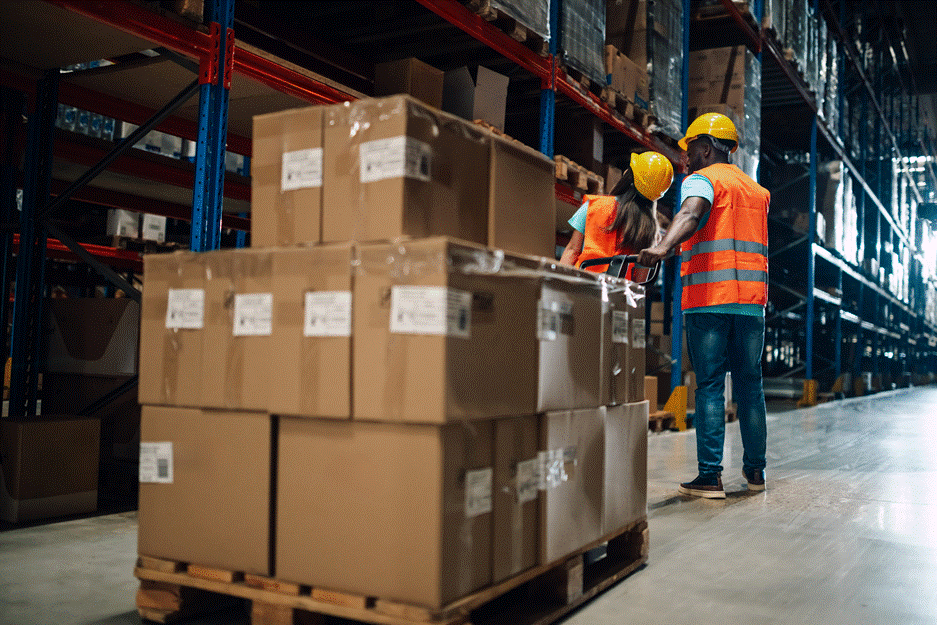
For any online business, success is not only about selling good products or having a good-looking website. What truly matters is how smoothly orders are handled and how fast and correctly products reach customers. This is where Ecommerce order fulfillment services plays a very important role. From the moment a customer clicks “buy” until the package arrives at their door, every step must work well to keep customers happy.
Online shopping continues to grow, and customers now expect faster delivery and easy returns. These expectations make fulfillment more complex, especially for businesses that want to grow. If the fulfillment process is slow or disorganized, customers may choose another store instead.
What Is eCommerce Fulfillment?
eCommerce fulfillment is the full process of receiving, storing, packing, shipping, and returning products sold online. It starts when a customer places an order and ends when they receive their item, or return it if needed. This process is often called the backbone of an online business because it directly affects customer satisfaction.
A typical fulfillment process includes:
- Receiving inventory: Products arrive from suppliers and are checked and recorded.
- Storage and warehousing: Items are stored in an organized way so they are easy to find.
- Order processing: Orders are picked, packed, and prepared for delivery.
- Shipping: Packages are sent to customers using different delivery options.
- Returns handling: Returned items are checked and restocked or processed properly.
As a business grows, these steps become more complex. Having a clear system helps avoid confusion, delays, and mistakes.
Why Fulfillment Is So Important for Online Businesses
Customers care a lot about delivery speed and return policies. Many are willing to change stores if another business offers faster shipping or easier returns. Because of this, having a strong fulfillment system is no longer optional—it is necessary.
A well-managed fulfillment process helps businesses avoid common problems, such as:
- Inventory errors: Without a good system, products may be oversold or go out of stock without notice.
- Shipping delays: Slow processing can cause late deliveries and unhappy customers.
- Order mistakes: Wrong items or missing products lead to returns and complaints.
- High operating costs: Poor planning can increase storage, labor, and shipping costs.
When fulfillment works well, customers receive their orders on time and in good condition. This builds trust, encourages repeat purchases, and helps the business grow.
Choosing the Right eCommerce Fulfillment Model
There is no one-size-fits-all solution when it comes to fulfillment. The right model depends on your business size, order volume, budget, and future plans. Understanding the different fulfillment models can help you choose what works best for you.
Self-Fulfillment
Self-fulfillment means handling everything on your own. You receive products, store them, pack orders, and ship them directly to customers. This model is common for small businesses or startups.
Advantages of self-fulfillment:
- Full control over packaging and order handling
- More chances to add personal touches
- No need to pay outside service fees
Disadvantages of self-fulfillment:
- Takes a lot of time and effort
- Requires space, staff, and supplies
- Hard to manage when orders increase quickly
This model works best for businesses with low to medium order volumes and a need for customization.
Third-Party Fulfillment
With third-party fulfillment, a separate company handles storage, packing, and shipping for you. This allows business owners to focus more on products, marketing, and customer service.
Advantages of third-party fulfillment:
- Easy to scale as order volume grows
- Access to fulfillment experience and systems
- More shipping options for customers
Disadvantages of third-party fulfillment:
- Higher costs compared to doing it yourself
- Less control over daily operations
- Dependence on an outside partner
This model is ideal for growing businesses that want to save time and manage higher order volumes.
Dropshipping
Dropshipping means you do not keep products in stock. Instead, when a customer orders, the product is bought from a supplier who ships it directly to the customer.
Advantages of dropshipping:
- Very low startup cost
- No need for storage space
- Ability to sell many products
Disadvantages of dropshipping:
- Limited control over product quality
- Longer shipping times
- Lower profit margins
Dropshipping is good for testing products but can be challenging for long-term brand growth.
Automated or Robotic Fulfillment
Automated fulfillment uses machines and technology to help pick, pack, and ship orders. This model is often used for very large order volumes.
Advantages of automated fulfillment:
- Faster order processing
- Fewer human errors
- Can handle high demand easily
Disadvantages of automated fulfillment:
- High setup costs
- Not practical for small businesses
This model suits businesses focused on long-term growth and efficiency.
How to Decide What’s Best for Your Business
As your business grows, your fulfillment needs will change. Small businesses may start with self-fulfillment, then move to third-party services as orders increase. The key is choosing a model that supports both your current needs and future goals.
When selecting a fulfillment solution, consider:
- Experience and tools: Do they understand online fulfillment well?
- Ability to grow with you: Can they handle more orders as your business expands?
- Delivery options: Do they support different shipping speeds and locations?
- Clear pricing: Are all costs explained clearly?
The right fulfillment setup helps your business run smoothly behind the scenes. When orders are delivered on time and customers are happy, your brand becomes stronger and more trusted.